DJI Osmo Nano vs Insta360 GO Ultra
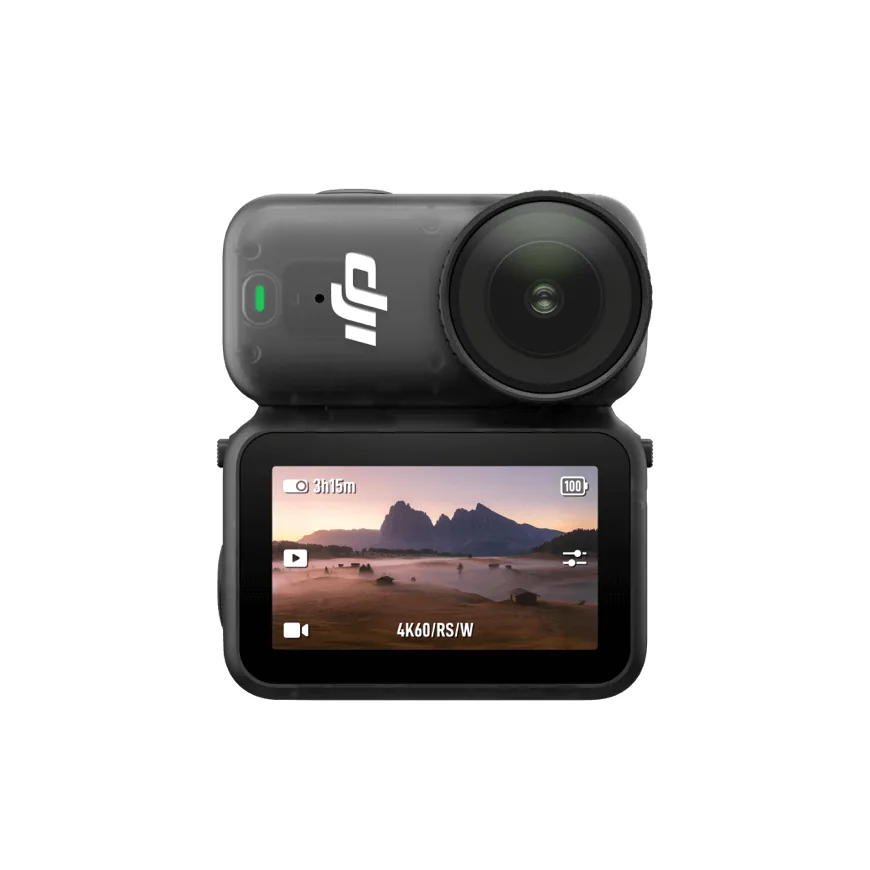
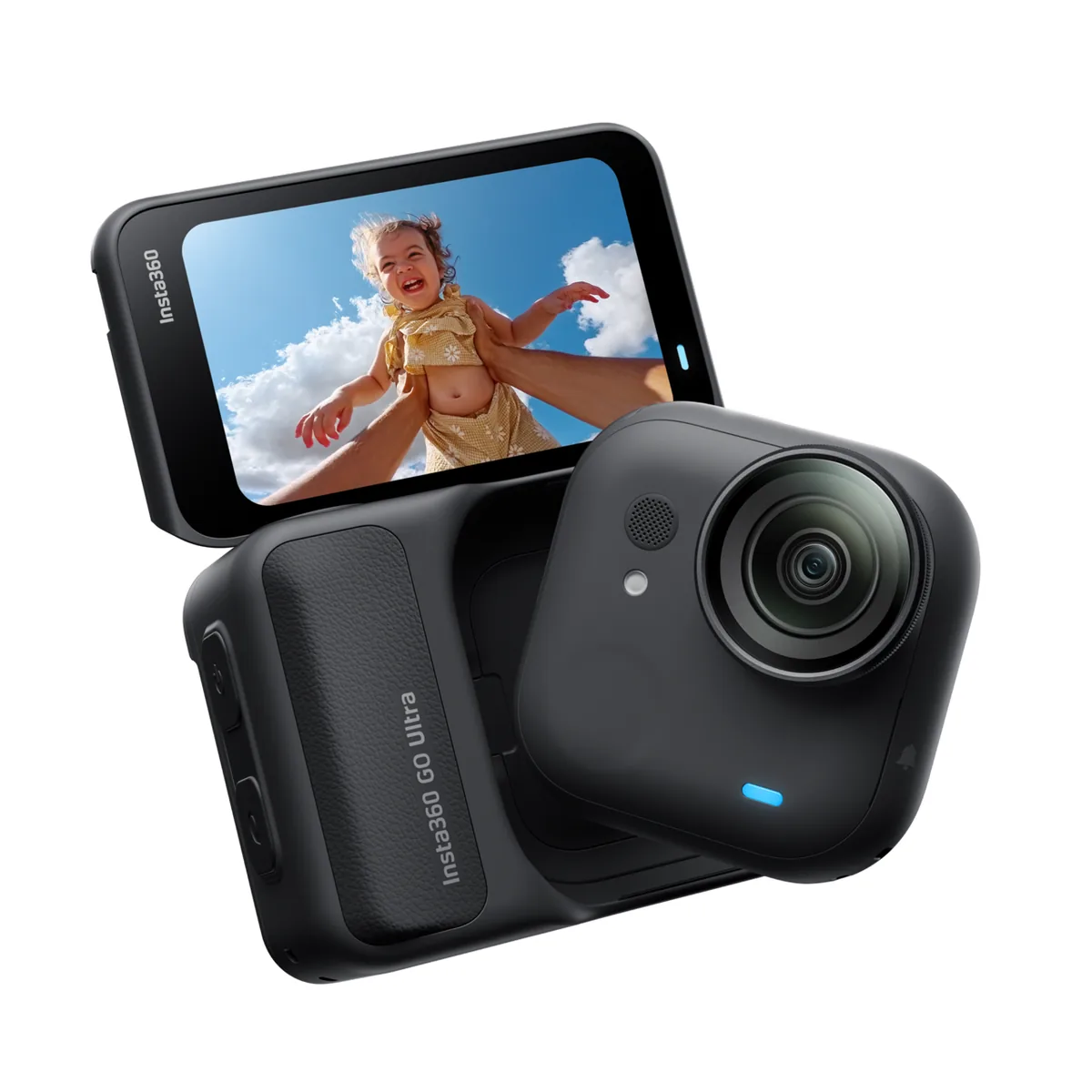
In short: The DJI Osmo Nano costs $150 less; the Insta360 GO Ultra holds the horizon through a full rotation while the DJI Osmo Nano only corrects lean; the DJI Osmo Nano records 10-bit colour; the Insta360 GO Ultra puts features behind a ~$23.88/yr plan, which makes its first year ~$473.
| Spec | DJI Osmo Nano | Insta360 GO Ultra |
|---|---|---|
| Approx. price | ~$299 | ~$449 |
| Year-one cost | ~$299 | ~$473 with the plan |
| Type | Compact / mini | Compact / mini |
| Sensor size | 1/1.3-inch | 1/1.28-inch |
| Sensor area | 72 mm² | 72 mm² |
| Max resolution | 4K @ 60fps | 4K @ 60fps |
| Reframed resolution | n/a — already flat | n/a — already flat |
| Max fps at 4K | 120 | 60 |
| Max fps at 1080p | 240 | 240 |
| Max bitrate | 120 Mbps | 180 Mbps |
| Colour depth | 10-bit | Not published |
| Log profile | D-Log M | None |
| Stabilisation | RockSteady 3.0 | FlowState |
| Horizon lock | 45° (lean only) | 360° (full) |
| Aperture | f/2.8 | f/2.85 |
| Waterproof | 10 m bare | 10 m bare |
| Claimed runtime | 3 h 20 min at 1080p24 with RockSteady on and Wi-Fi off, camera plus Vision Dock | 3 h 20 min at camera plus Action Pod, standard video mode |
| Tested runtime | No third-party test collected | No third-party test collected |
| Battery | 530 mAh | Not published |
| Cold rating | -4°F | -4°F |
| Weight | 52 g | 53 g |
| Screens | 1.96-inch OLED touch on the Vision Dock | 2.5-inch flip touch on the Action Pod |
| Mount | Magnetic pendant + magnetic quick-release | Magnetic pendant + magnetic quick-release |
| Replaceable lenses | No | No |
| GPS | No | No |
| Voice control | Yes | Yes |
| Storage | 64 GB or 128 GB internal + microSD via dock | microSD |
| Subscription | None | Insta360+, ~$23.88/yr |
| Released | 2025 | 2025 |
A highlighted cell is the outright better figure in that row, and only where one direction is unambiguously better. Weight, field of view and battery capacity are left neutral because the better direction depends entirely on what you are shooting.
Strengths and drawbacks
DJI Osmo Nano
- +Same sensor area as DJI's full-size action cameras in a third of the weight
- +10-bit D-Log M on a camera this small is unique here
- +Records with the dock detached, so the screen is optional weight
- +Internal storage as standard — there is no card to forget
- +Waterproof to 10 m bare, which the Insta360 GO Ultra is not
- −HorizonBalancing only corrects tilt; there is no full 360° horizon lock
- −The module alone runs about 90 minutes — the 200-minute figure needs the dock attached
- −Magnetic pendant mounting is not something to trust at speed without the safety cord
- −The dock is splash-resistant only, so the screen cannot come swimming
- −Two pieces to charge, carry and keep track of, and the useful battery figure needs both
Insta360 GO Ultra
- +A sensor this size in a 53 g body is genuinely without precedent
- +Magnetic pendant wearing gives angles no mounted camera can reach
- +The Action Pod preview means framing is not guesswork, unlike GoPro's Mini
- +200 minutes with the pod attached is a real all-day figure
- −$449 — more than a GoPro Hero 13 Black, which out-specs it almost everywhere
- −The Action Pod is not waterproof, so the screen has to stay out of the water
- −4K caps at 60 fps; there is no 4K120 as on the DJI Osmo Nano
- −No internal storage, unlike the Nano's 64 GB or 128 GB
- −Insta360 publishes no battery capacity for the module